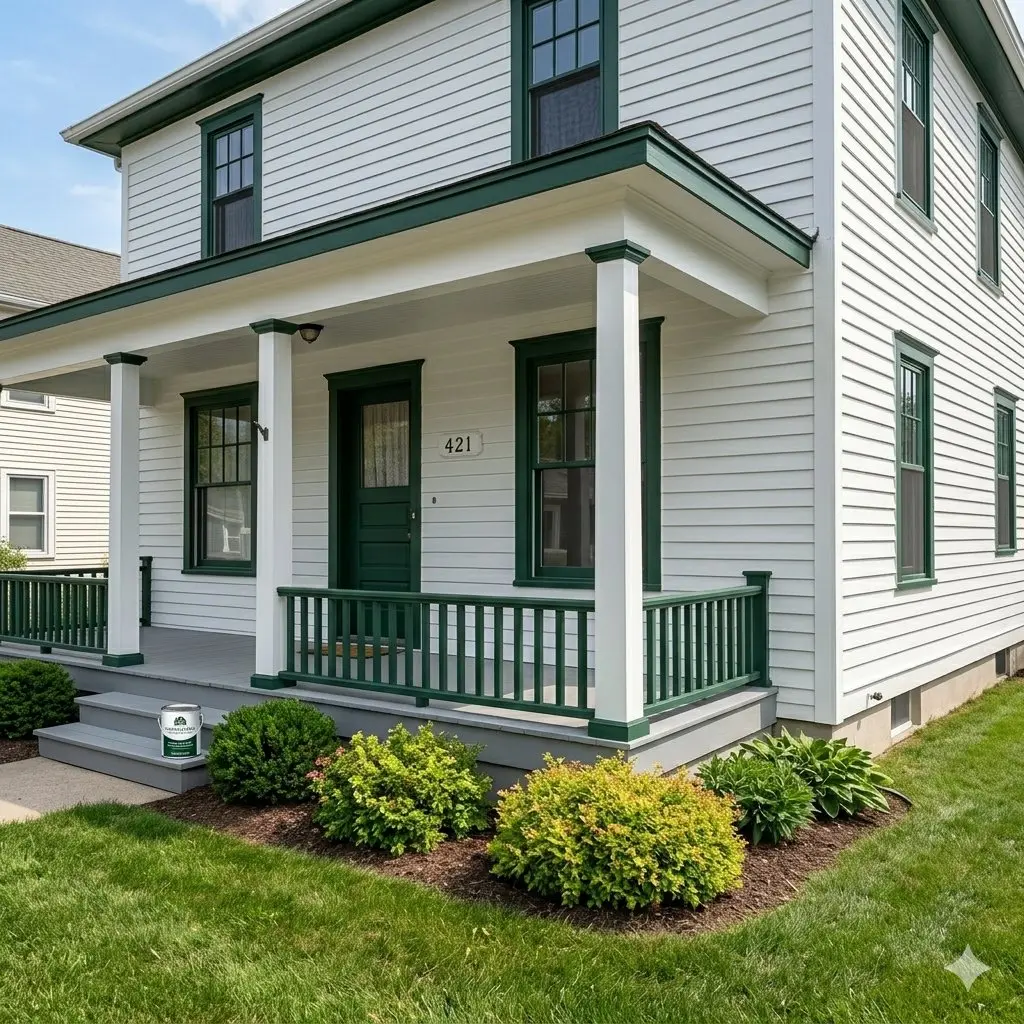
If you own a home in Wesley Chapel, there's a very good chance you live in a community governed by a homeowners association. The vast majority of Wesley Chapel's residential developments — Seven Oaks, Meadow Pointe, Epperson, Bexley, Wiregrass Ranch, and dozens of others — have HOA covenants that require homeowners to obtain approval before making changes to their home's exterior appearance, including repainting. For many homeowners, this process is unfamiliar territory, and the uncertainty around timelines, requirements, and what gets approved can make what should be a straightforward project feel complicated. This guide walks you through everything you need to know about HOA paint color approval in Wesley Chapel.
Why HOAs Regulate Exterior Colors
It's worth understanding why these rules exist before diving into how to navigate them. HOA color restrictions are fundamentally about protecting property values throughout the community by maintaining a cohesive aesthetic. When every home in a neighborhood looks well-maintained and architecturally consistent, the community as a whole is more attractive to buyers, which benefits all homeowners — not just those who are actively trying to sell.
Most Wesley Chapel HOAs don't restrict homeowners to a single color or even a small handful of options. Instead, they maintain approved palettes — typically dozens of colors across multiple families — that represent acceptable choices for body color, trim color, accent colors, and sometimes front door color. These palettes are usually developed in consultation with professional color consultants and are designed to work with the architectural character of the community's homes and landscaping.
Understanding the ARC Process
The Architectural Review Committee (ARC) is the body within your HOA that evaluates and approves or denies exterior modification requests. Before you repaint your home's exterior — even if you're repainting the exact same colors — you typically need to submit an ARC application. Many homeowners are surprised to learn that maintaining the same color still requires approval in most communities. The HOA wants documentation that the work is being done properly, and they want to confirm the colors being used are still on the approved palette.
The ARC application process generally involves submitting a written request that includes the specific paint colors you plan to use (manufacturer name and color name/number), paint chips or color samples, and sometimes a photograph of your home with the proposed colors noted. Some communities also require documentation of the painting contractor you'll be using. The more complete and clear your submission is, the faster the review process goes.
Timelines: How Long Does Approval Take?
This varies significantly by community. Some Wesley Chapel HOAs have ARC meetings monthly, which means your application might sit for up to 30 days before being reviewed. Others have a designated response timeline — 14 to 30 days is common — after which approval may be deemed granted by default if you haven't received a denial. A few communities have a more streamlined process for applications that only use pre-approved palette colors, sometimes with a response in as little as 5 to 10 business days.
The practical implication for homeowners is that you should plan your painting project with the ARC approval timeline in mind. Don't schedule your painter before you have approval. If you're hoping to have the project complete by a certain date — before a family event, before putting the home on the market — work backwards from that date and submit your ARC application early enough to allow for review and any potential back-and-forth.
Choosing Colors That Will Get Approved
The most reliable path to quick ARC approval is to choose from your community's pre-approved palette. This eliminates the subjective judgment element from the review process — the committee doesn't need to evaluate whether your choice fits the community aesthetic, because it's already been determined to be acceptable. Choosing from the approved list is almost always faster, and it eliminates the risk of a denial that sends you back to the drawing board.
If you want a color that isn't on the pre-approved list, that doesn't necessarily mean you can't use it — but it does mean your application will receive more scrutiny and may take longer to process. You'll typically need to make a stronger case for why the color is appropriate for the community, and you should be prepared for the possibility of a denial or a request to modify your selection. Custom color choices outside the approved palette are more common in communities with less restrictive covenants, or for colors that are clearly within the spirit of the existing palette but not listed explicitly.
Our color consulting service includes navigating this process with you. We're familiar with the palette requirements of major Wesley Chapel communities including Seven Oaks and Meadow Pointe, and we can help you identify colors within your community's approved list that match your vision for the home. Finding a color you love within the constraints is almost always possible — it just requires knowing the palette well enough to work creatively within it.
Common Reasons for ARC Denials
Understanding why applications get denied helps you avoid those pitfalls. The most common reasons are: choosing a color that's clearly outside the approved palette or the aesthetic character of the community (too bold, too dark, too unusual); submitting an incomplete application that lacks the required documentation; proposing a color combination that doesn't work with the community's color rules (for example, using the same color for body and trim in a community that requires contrast); and not including accurate manufacturer information for the colors being proposed.
A denial isn't the end of the road. Most HOAs will tell you what changes would make the application approvable, and a revised application can often be turned around fairly quickly. But a denial does add time to your project timeline, which is why getting the submission right the first time — and choosing colors that are clearly within the guidelines — is so valuable.
After Approval: What to Keep on File
Once you receive ARC approval, keep a copy of the approval letter and the paint specifications on file. This is useful if questions arise during or after the project, and it's essential if you later need to touch up the paint and want to match the exact color. It's also helpful documentation if you sell the home — a buyer may want to know what colors were used, and having the approval letter and specs ready is a sign of a well-maintained, well-documented property.
After the work is complete, some communities require you to notify the ARC that the approved work has been finished. Check your community's specific requirements to make sure you've completed all the necessary steps.
Working with a Painter Who Knows the Process
One of the less obvious advantages of working with a local painting contractor who's familiar with Wesley Chapel's HOA communities is that they can help you navigate the approval process rather than leaving you to figure it out alone. We've completed projects in virtually every Wesley Chapel community, which means we know the specific palette requirements, the typical ARC timelines, and the kind of documentation submissions need to include to move smoothly through the process.
Our exterior painting service includes helping you prepare your ARC submission — we can provide documentation of the colors we'll use, our contractor information, and any other materials your community's ARC application requires. We won't schedule the work until you have approval in hand, and we'll work with your ARC timeline to make sure the project stays on schedule. If you're in the early stages of planning an exterior repaint in Wesley Chapel, reach out to get the process started — the earlier you begin, the more flexibility you have in the timeline.